Physical Address
304 North Cardinal St.
Dorchester Center, MA 02124
Physical Address
304 North Cardinal St.
Dorchester Center, MA 02124

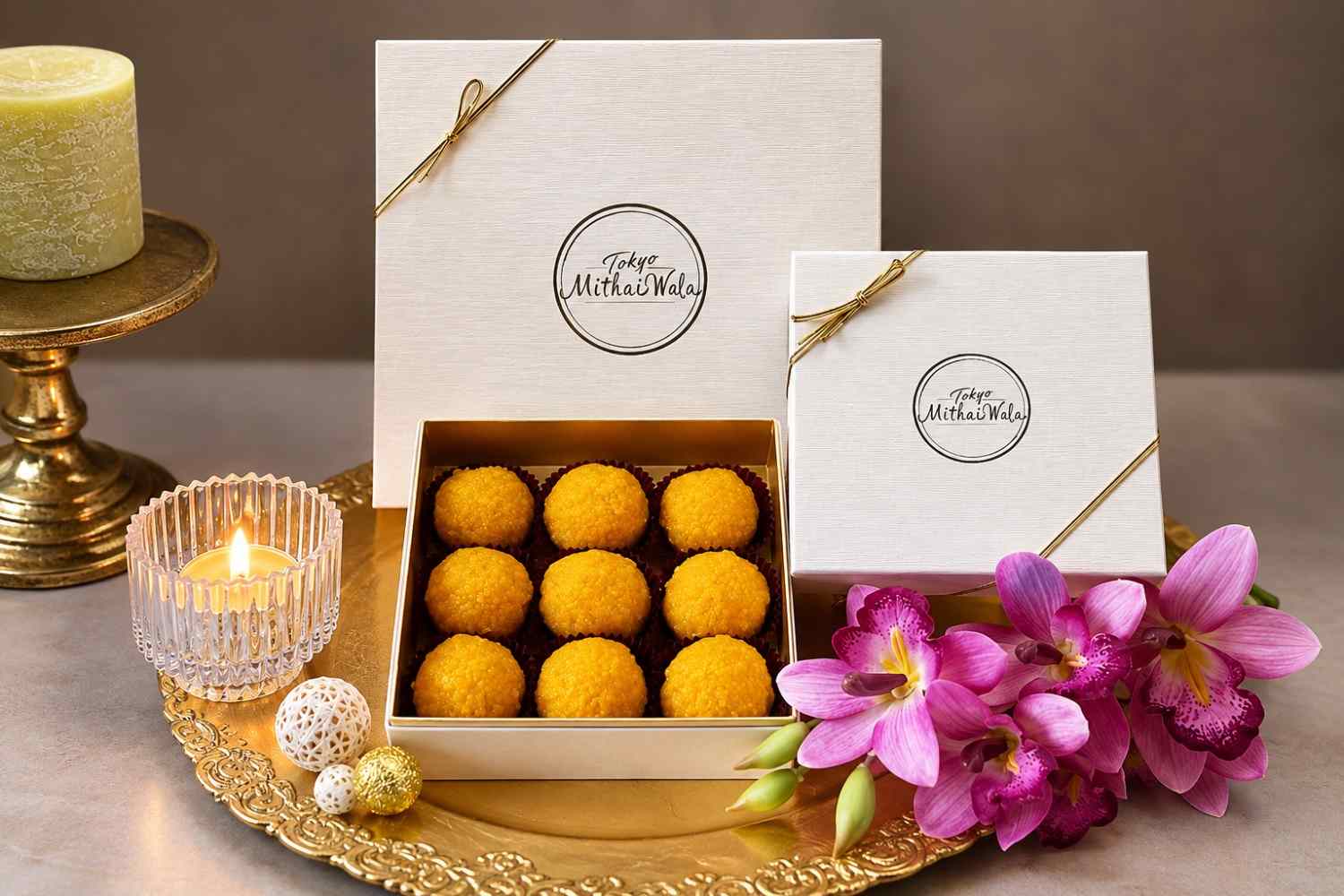
When you walk into any traditional Indian sweet shop before a festival, it can be hard to decide what sweets to take home.
The display is full of well-known sweets like barfi, kaju katli, jalebi, gulab jamun, peda, and ladoos. These days, you might also see chocolate barfi, coffee peda, or a gulab jamun with chocolate inside. They might look like two very different kinds of desserts.
Fusion mithai starts with those well-known sweets and adds something new, like coffee, chocolate, cookies, or another dessert-inspired flavour.
Traditional Indian sweets use flavours and recipes that people have loved for years.
Indian sweets have a long history of being associated with celebrations and family events.
A box of mithai can mean many things to different people: Diwali at home, a wedding, a birthday, or a long-lost family member coming to visit.
Many ingredients in these recipes have long been used to make Indian sweets. Common ingredients include cashews, almonds, pistachios, cardamom, saffron, rose, gram flour, sugar, ghee, khoya, and more.
Each sweet has its own unique taste and texture, even when it shares some ingredients.
Traditional mithai are easy to share. Someone can quickly find their favourite sweets even if there are a lot of them in a box.
These sweets also feel familiar. You don’t need to explain what a ladoo or gulab jamun is to someone who eats Indian sweets all the time. They already know what to expect.
What’s Unique About Fusion Sweets?
When making fusion mithai, you give a sweet treat a new taste, filling, topping, or finish.
Occasionally, the main recipe stays pretty much the same. Sometimes, more than one ingredient changes.
Chocolate is often added. Let’s look at chocolate barfi. You can still tell it’s barfi because it’s soft and rich, but the cocoa makes the taste stronger. You get something a little different that still feels like home.
Coffee peda works the same way. Peda has a sweet, creamy milk base. Coffee adds a stronger taste and a hint of bitterness, which can help balance the sweetness.
Traditional Indian sweets usually have one main flavour that is easy to identify.
The main taste of kaju katli is cashews. Peda tastes like whipped milk, while jalebi is known for its crisp, sweet texture.
Spices like cardamom, saffron, rose, coconut, and pistachio can enhance the taste without overpowering the main flavour.
Fusion Mithai lets sweet makers try new things. They can combine ingredients you might not normally find in an Indian sweet.
Chocolate and pistachio go well together. Coffee can add a stronger taste. Crushed cookies can change the taste of a barfi filling. Gulab jamun can also taste very different on the first bite if it has a chocolate centre.
People who already like Western-style desserts might also like these mixes. People who like coffee might be more interested in trying coffee peda because the taste sounds like something they’ve tried before.
If you break up ladoo, it’s soft and crumbly, but barfi is smooth and crisp. Jalebi is crisp at first, then the sweet syrup comes through. Gulab jamun is very soft and juicy, almost melting in your mouth.
Fusion mithai can add another level to these well-known textures. Adding cookie chunks to a soft sweet makes it crunchy. You can also add biscuit crumbs to a creamy filling for extra crunch.
Sweets from the past can also bring back memories.
Every Diwali, your family may have bought you motichoor ladoos, or you may have always loved kaju katli in a wedding box. These little habits can stick with you for a long time.
Easy-to-remember sweets are part of traditional mithai. You typically know what you’re getting when you see gulab jamun, ladoo, kaju katli, or paan. These sweets are simple to buy when you need something for a family or a large group.
Traditional mithai is also a natural part of weddings, festivals, religious events, birthday parties, and family get-togethers. These sweets are easy to include, whether you’re giving someone a box of sweets or having people over for dinner.
Fusion mithai lets people try something new, which is useful when guests have different tastes.
Many like chocolate or coffee. Another may prefer gulab jamun or kaju katli. They’re a delightful addition to parties and events, especially when the dessert table gets a lot of attention.
You don’t have to choose only one.
You can put both normal and fusion mithai in the same candy box or on the same dessert table.
You could offer both plain and coffee peda. You can put Karela barfi and chocolate barfi in the same box. You could even place a regular gulab jamun next to one filled with chocolate.
Traditional Indian sweets are perfect for Diwali, weddings, religious events, and family get-togethers.
Many guests will already know these traditional sweet flavours, so you can usually include more than one kind in a single box, allowing everyone to enjoy something new and unique.
If you’re looking for an Indian sweet shop Surrey families can visit, Tokyo Mithaiwala Canada offers traditional mithai and fusion options for different occasions.
Ans: For festivals and family gatherings, people often choose ladoo, barfi, peda, jalebi, gulab jamun, and kaju katli.
Ans: Yes. You can offer traditional sweets like kaju katli, peda, or gulab jamun along with coffee peda, chocolate barfi, or other fusion mithai.
Ans: Fusion mithai is a type of Indian sweet that combines old-fashioned flavours with newer fillings, toppings, flavours, or dessert ideas. Examples include chocolate barfi, coffee peda, cookie-filled mithai, and sweets that look like cheesecake.
Ans: If you’re looking for an Indian sweet shop in Surrey, Tokyo Mithaiwala Canada offers both traditional mithai and fusion options for different occasions.